
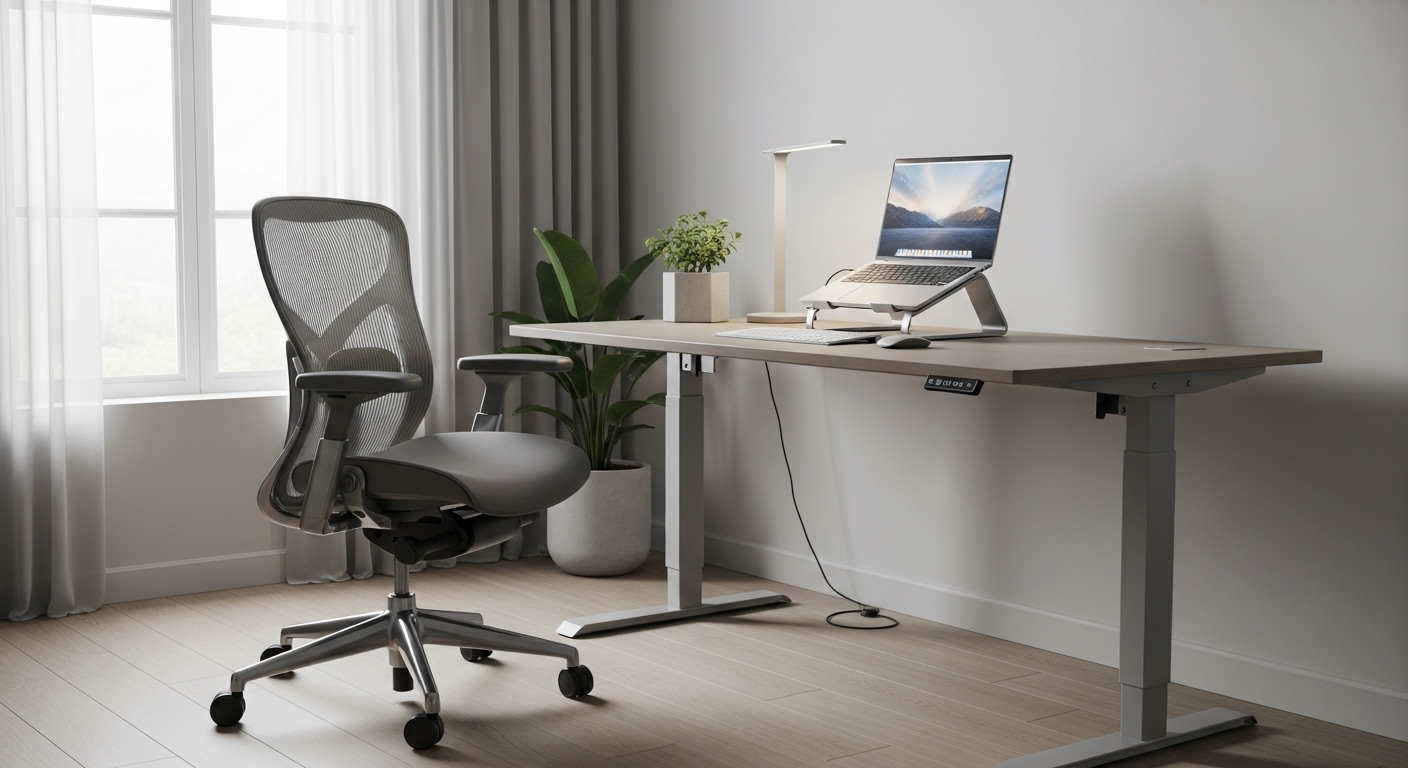
When you spend hours sitting at a desk, your body pays the price. Ergonomic posture adjustments can be the key to staying comfortable and maintaining energy throughout the day. Small changes to your desk setup, chair, and daily habits can make a huge difference in your posture and overall well-being.
The good news? You don’t need fancy equipment or expensive furniture to create an ergonomic workspace. With a few mindful tweaks, you can turn any desk into a posture-friendly environment that supports your back, neck, and shoulders.
1. Why Ergonomic Posture Adjustments Matter
Most people don’t realize how much poor posture contributes to fatigue, stiffness, and even chronic pain. The goal of ergonomic posture adjustments is to align your body naturally so muscles work efficiently instead of straining.
When your posture is off, your spine, joints, and muscles must compensate—causing discomfort over time. The Occupational Safety and Health Administration (OSHA) emphasizes that ergonomic awareness can reduce injury risk and boost focus during long work sessions. That’s a huge advantage for anyone who works from home or spends most of their day at a desk.

2. Setting Up Your Workspace for Comfort
A posture-friendly workspace begins with how you arrange your chair, desk, and monitor. Try these ergonomic posture adjustments:
- Chair height: Keep your feet flat on the floor with knees at a 90-degree angle. Avoid letting your legs dangle.
- Monitor placement: Your screen should be at eye level, about an arm’s length away.
- Desk setup: Keep essential tools (keyboard, mouse, notebook) within easy reach to avoid twisting or stretching.
- Back support: Add a small lumbar cushion or rolled-up towel behind your lower back to maintain natural curvature.
A minimalist approach works best: fewer distractions, more focus on comfort.
3. Small Movements, Big Results
Even with the perfect setup, static posture is the enemy. Our bodies are made to move.
Take short breaks every 30–60 minutes to stretch your neck, roll your shoulders, or simply stand and walk. Incorporate micro-movements like shifting your weight, rotating your wrists, and stretching your legs under the desk.
These micro-breaks complement ergonomic posture adjustments, helping you maintain blood flow and reduce stiffness. Over time, you’ll feel less drained and more alert, even during long work sessions.
4. Mindful Habits to Reinforce Posture Health
Posture is both physical and mental. Awareness plays a huge role. Here are habits to strengthen your ergonomic mindset:
- Check-in reminders: Set a timer or use a posture app to remind yourself to sit upright.
- Balanced lighting: Ensure your workspace lighting reduces eye strain and encourages upright sitting.
- Core engagement: Gently engage your abs to stabilize your spine while sitting.
- Stretch routines: Add daily exercises for your shoulders, hips, and back.
Over time, these habits make ergonomic posture adjustments second nature—helping you stay comfortable without constant correction.

5. Long-Term Benefits of an Ergonomic Lifestyle
When you consistently apply these small adjustments, you’ll notice profound benefits: improved focus, better breathing, less tension, and a lighter mood.
Ergonomics isn’t just about sitting correctly—it’s about designing your environment and behavior to support your health and productivity.
Remember, posture comfort is not a luxury. It’s a daily investment in your physical and mental balance.
Final Thoughts
Ergonomic posture adjustments are the foundation of sustainable comfort and performance.
Start small—adjust your chair, monitor, and lighting—and your body will thank you.
With consistent practice, you’ll experience less pain, more focus, and an overall sense of well-being throughout the workday.
Previous posting: Portable Lighting for Digital Nomads: The Essential Toolkit for Eye Protection and Focus