
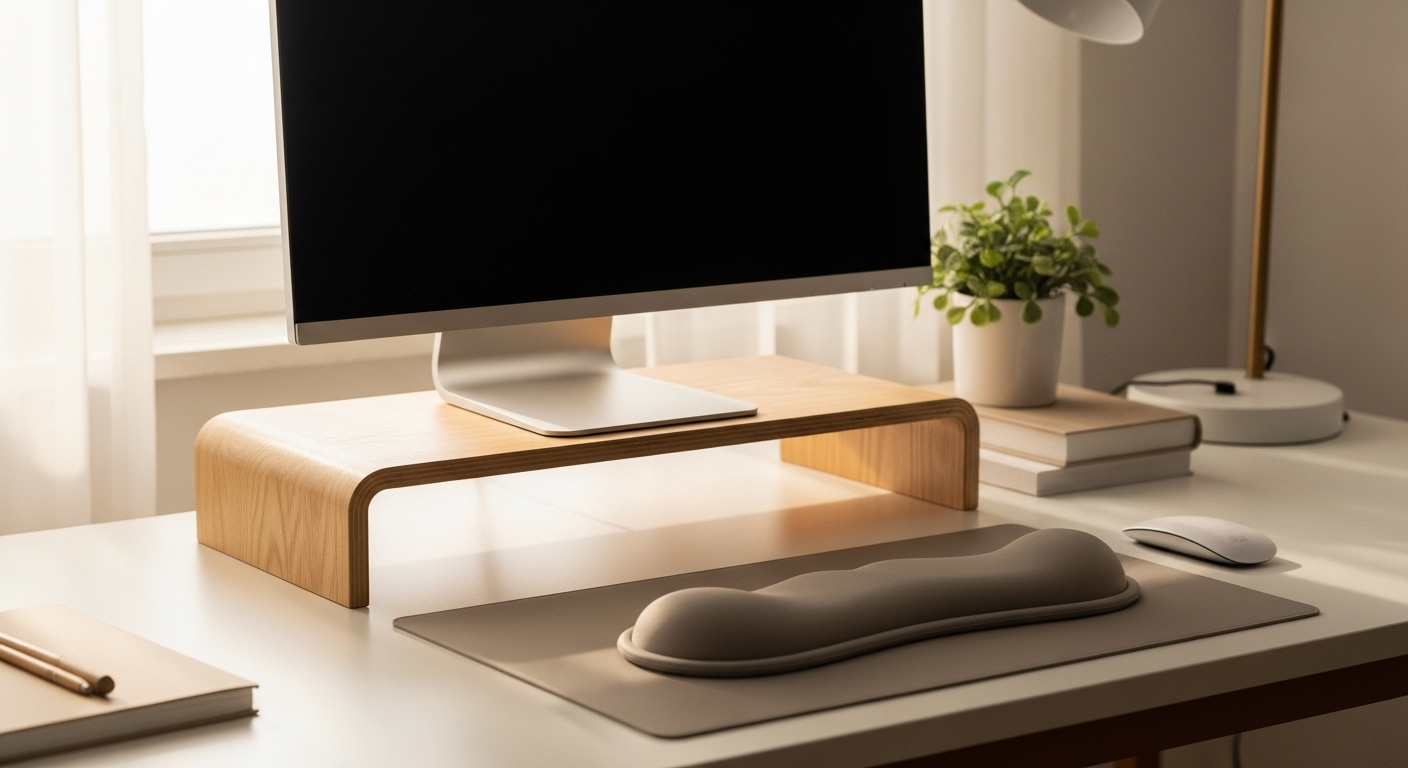
Whether you’re working from home or at a traditional office, ergonomic posture is key to staying productive, focused, and pain-free. With more people spending 7 to 10 hours sitting each day, paying attention to how you sit, type, and move can save you from long-term discomfort and serious posture-related issues.
Good news? You don’t need expensive chairs or fancy accessories to improve your ergonomic posture. Small, thoughtful changes can make a big difference in how your body feels throughout the day.
What Is Ergonomic Posture and Why It Matters
Ergonomic posture refers to the way you position your body to minimize strain and support natural alignment during daily tasks. Poor posture leads to back pain, neck tension, and fatigue. Over time, it can even affect your mood and productivity.
According to research from the CDC, nearly 25% of American adults suffer from chronic lower back pain. Preventing this starts with simple ergonomic changes.
📖 Source: CDC — Back Pain Facts
Easy Ways to Improve Ergonomic Posture
Let’s explore simple, practical steps you can use immediately to better your ergonomic posture and reduce daily strain.
1. Start with Your Seat
Choose a chair that supports your lower back or use a cushion to fill in the gap. Sit back fully so your spine maintains its natural S-shape. Keeping your knees at a 90-degree angle and your feet flat on the floor also helps maintain proper ergonomic posture.
2. Adjust Your Desk Setup
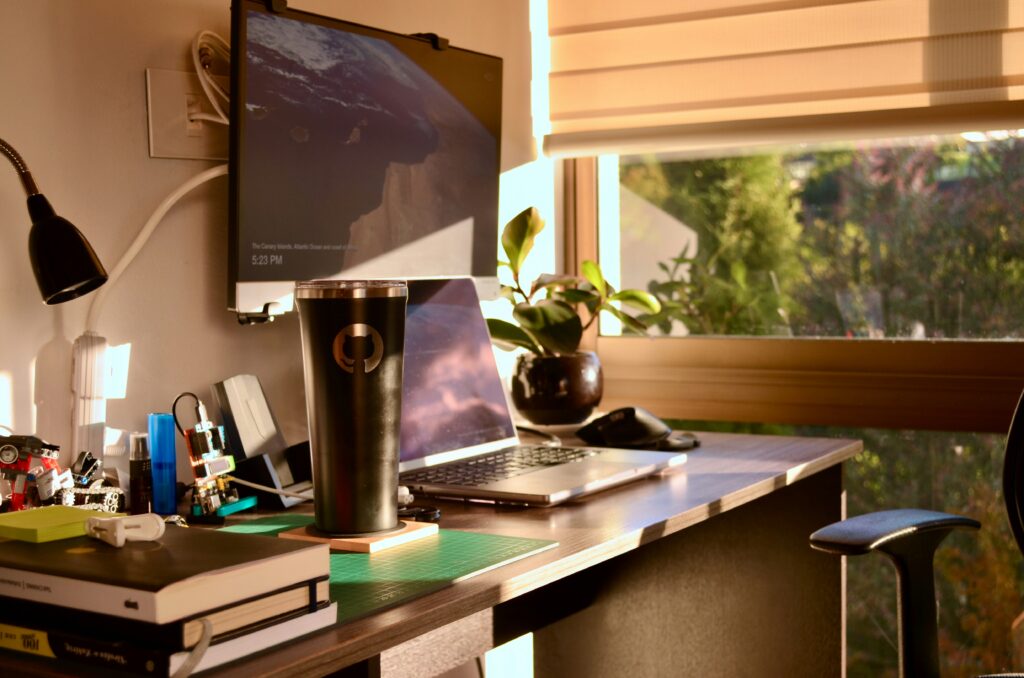
Make sure your screen is at eye level to prevent hunching. Place your keyboard and mouse at elbow height so your shoulders stay relaxed. This small shift can drastically improve your ergonomic posture while working long hours.
3. Don’t Forget Wrist Position
Straight wrists help prevent strain and long-term issues like carpal tunnel. You can use a wrist rest or simply align your keyboard and mouse closer to your body for better ergonomic posture.

4. Take Breaks and Move Often
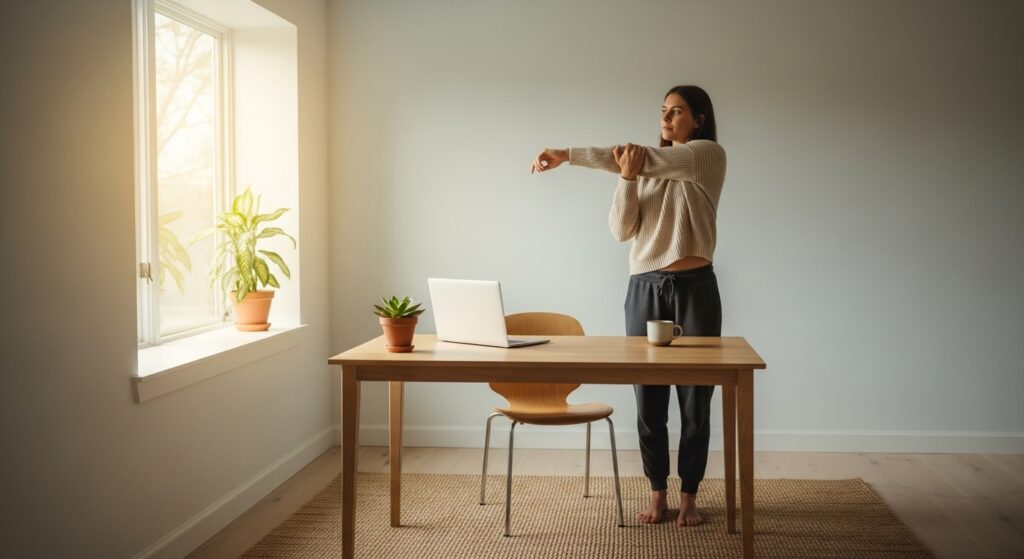
Even with perfect ergonomic posture, staying in one position too long causes stiffness. Set a timer to stand, stretch, or walk every 45 to 60 minutes. Movement is just as important as posture.
Beyond the Desk: Whole-Body Posture Habits
Ergonomic posture isn’t just for office time. The way you use your phone, drive your car, or even relax on the couch also matters. Keeping your head over your shoulders, not jutting forward, and supporting your back are posture habits that extend into your entire day.
Invest in Long-Term Posture Health
Improving your ergonomic posture is an investment in your daily comfort and long-term health. From simple tools like seat cushions to lifestyle choices such as stretching and walking, you have plenty of accessible ways to support your body.
Start small—adjust your chair, lift your screen, and build habits that protect your posture. Your body will thank you with more energy, less pain, and better focus.
Balance and Flexibility Training: Your Complete Guide to Injury Prevention