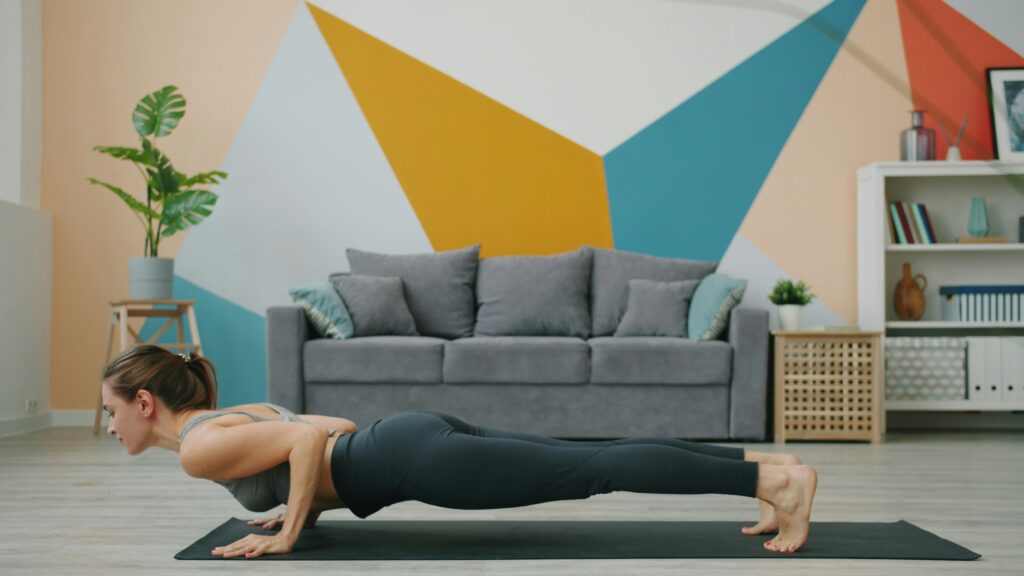

When most people think about getting fit, they focus on building muscle or improving cardiovascular endurance. But there’s a crucial element that often gets overlooked: balance and flexibility training. These two components form the foundation of safe, effective movement and play a vital role in preventing injuries throughout your life.
Balance and flexibility training isn’t just for athletes or yoga enthusiasts. Whether you’re lifting weights at the gym, going for a morning run, or simply carrying groceries up the stairs, your body depends on these skills to move safely and efficiently. Without adequate balance and flexibility, you’re at higher risk for falls, muscle strains, and joint problems that can sideline your fitness goals and daily activities.
The good news? You don’t need expensive equipment or hours of training to see results. Just 10-15 minutes of focused practice each day can dramatically improve your stability, range of motion, and overall injury resilience.
Understanding How Balance and Flexibility Protect Your Body
Balance is your body’s built-in stabilizing system. It involves coordination between your core muscles, nervous system, and vestibular system (inner ear) to maintain control over your position. When your balance weakens, other muscles compensate, leading to overuse injuries and joint instability.
Strong balance skills enhance joint stability in your ankles, knees, and hips. They improve your reaction time when you encounter unexpected obstacles and help maintain proper postural alignment, reducing unnecessary stress on your spine.
Flexibility refers to your muscles and joints moving freely through their complete range of motion. Tight or shortened muscles pull joints out of proper alignment, significantly increasing your risk of sprains, tears, and chronic overuse injuries.
Regular flexibility work prevents muscle stiffness, promotes better blood flow for recovery, and improves the efficiency of your functional movements. According to the <a href=”https://www.health.harvard.edu/staying-healthy/stretching-focus-on-flexibility” target=”_blank” rel=”noopener”>Harvard Health guidelines on stretching</a>, maintaining flexibility is essential for protecting muscle health and preventing injury as we age.
Key Injury Prevention Benefits of Balance and Flexibility Training
One of the most significant benefits is fall prevention. Loss of balance accounts for countless injuries, particularly in adults over 30. Balance and flexibility training improves proprioception—your body’s awareness of its position in space. This heightened awareness helps you react faster to slips, trips, or uneven surfaces, potentially preventing serious injury.
These training methods also correct muscle imbalances. When certain muscles become tight or weak, others must work overtime to compensate. This creates a domino effect of stress on joints and connective tissue. Flexibility training addresses these imbalances directly, reducing chronic pain and preventing overuse injuries before they develop.
Your joints and ligaments benefit tremendously as well. Proper flexibility and balance keep joints aligned during movement, lowering the risk of sprains, ACL tears, and inflammation. This is especially important during sports activities or strength training when forces on your joints increase.
Recovery improves too. Flexible muscles and balanced movement patterns reduce tension buildup in your body. This allows for faster recovery after workouts and decreases the likelihood of injuries caused by fatigue or poor form.
Effective Exercises to Build Balance and Flexibility Training Skills
For balance development, start with single-leg stands. Simply stand on one foot for 30 seconds, then switch sides. As you progress, challenge yourself by closing your eyes or standing on an unstable surface like a cushion.
Heel-to-toe walks strengthen the stabilizing muscles in your ankles and improve gait control. Walk in a straight line, placing your heel directly in front of your opposite toe with each step.
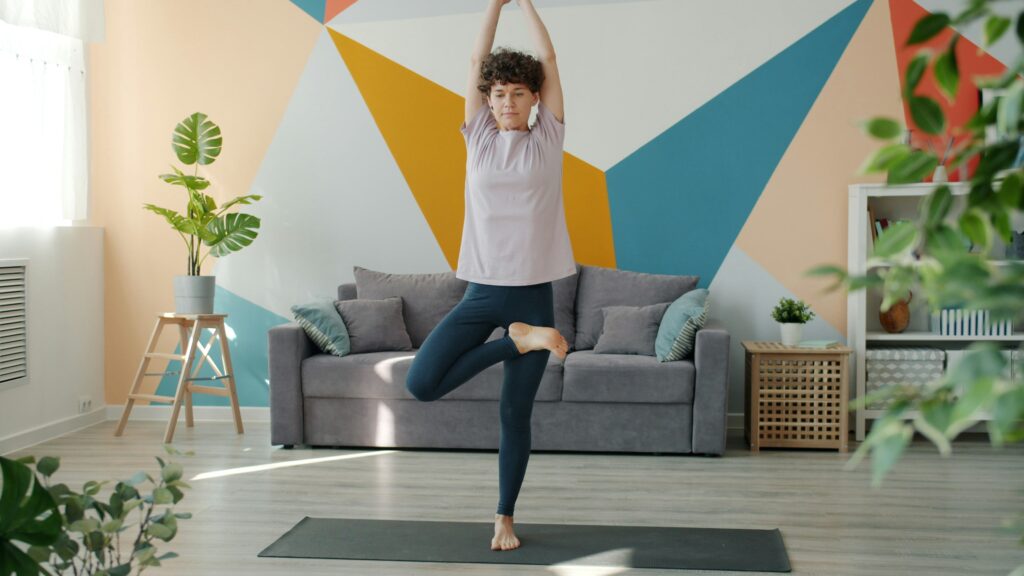
If you have access to equipment, Bosu ball squats or lunges engage your core powerfully while improving dynamic balance. Yoga poses like Tree Pose, Warrior III, and Chair Pose combine balance challenges with controlled strength and mental focus.
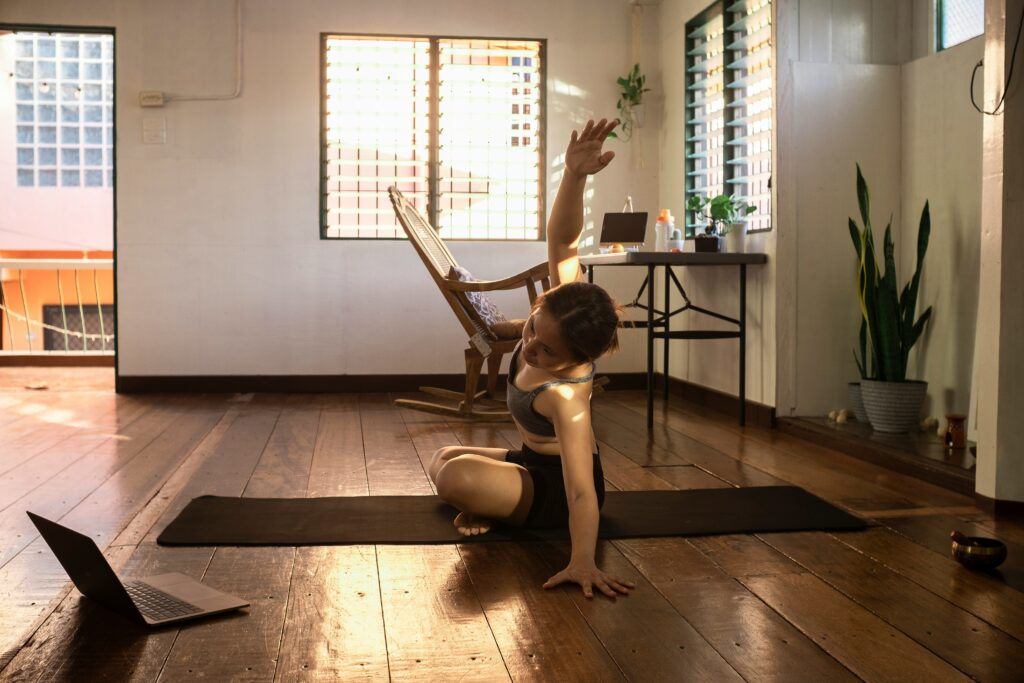
For flexibility development, incorporate dynamic stretching before workouts. Gentle leg swings and arm circles prepare your muscles for activity. After exercise, practice static stretching—hold hamstring, calf, and shoulder stretches for 30 seconds each to improve flexibility safely.
Foam rolling releases muscle tension and improves elasticity. Roll slowly over tight areas, pausing on tender spots for 20-30 seconds. Regular yoga and Pilates classes provide excellent deep stretching and joint mobility work in a structured format.
The <a href=”https://www.acefitness.org/resources/everyone/blog/6478/5-balance-exercises-to-boost-stability-and-prevent-falls/” target=”_blank” rel=”noopener”>American Council on Exercise</a> recommends consistency above all—regular practice produces the best injury prevention results.
Integrating This Training Into Your Fitness Routine
You don’t need to dedicate separate workout sessions to balance and flexibility training. Instead, combine them with your existing strength routine. Alternate strength exercises with flexibility work during circuits. For example, follow your squats with hamstring stretches or balance holds.
Make balance and flexibility training part of your warm-up and cool-down. Start each workout with dynamic stretches to prime your muscles for activity. End with static stretches to aid recovery and improve long-term flexibility.
Consider using functional equipment to enhance your training. Resistance bands work wonderfully for flexibility exercises. Balance boards or stability balls add challenge to core strengthening. Foam rollers support post-workout recovery. These affordable tools keep training engaging and versatile.
The long-term benefits extend far beyond injury prevention. You’ll notice improved coordination and athletic performance, better posture and spinal alignment, and reduced lower back pain. Many people report enhanced confidence in movement, especially as they age. A body that moves freely stays strong and active longer.
Your Path Forward
Preventing injuries isn’t about avoiding activities or living in fear—it’s about preparing your body to handle physical challenges confidently. Balance and flexibility training creates a foundation for movement that’s both powerful and safe.
You don’t need a gym membership or fancy equipment. Just commit a few minutes each day to stretch, stabilize, and strengthen your body. Over time, you’ll discover improved mobility, better posture, and greater resilience in everything you do.